Rep. Roy joined Sen. Becca Rausch at the Franklin Town Council to deliver a report on legislative activity for the past year. It also included a discussion of earmarks for Franklin and legislation that has a direct impact on the community. You can watch the video of the presentation by clicking on the image below.
A summary of Rep. Roy’s presentation is below:
BUDGET
The Legislature enacted a $58 billion budget for Fiscal Year 2025 (FY25). The FY25 conference committee report maintains fiscal responsibility while delivering historic levels of investment in every level of education, transportation regional equity, workforce development and health care, reflecting the Legislature’s ongoing commitment to delivering on affordability for residents and economic competitiveness for the Commonwealth.
The budget included a number of items spearheaded by Franklin’s legislative delegation as highlighted in the box below:
For more information on the FY25 budget, click here.
Revenge porn and sexting
The Governor signed into law An Act to prevent abuse and exploitation, which seeks to prevent abuse and exploitation, strengthen protections for survivors, and enhance education for young people about the dangers of sexting and deepfakes.
The law adds Massachusetts to the states that have acted to prohibit image-based sexual assault – sometimes referred to as “revenge porn,” which is the non-consensual sharing of explicit images. The law extends to “computer-generated images,” such as “deepfakes,” which have recently caused alarm. It will also expand the criminal harassment statute to prohibit the distribution of sexual images without consent and increase the maximum fines for criminal harassment convictions.
The new law also addresses teen sexting provisions from a bill filed by State Representative Jeffrey N. Roy (D-Franklin). Rep. Roy worked with Franklin Police Lt. Jason Reilly for several years to make these changes to the law. The work began with a conversation and memo from Lt. Reilly in April 2014 and led to years of collaboration, research, and testimony.
We had some very special visitors in the State House this month. The House took a momentary break from its blitz of legislative business to stand and applaud its honored guests: Ben Franklin and Ellie Dalton.
Beacon Hill was abuzz for the visit from Ben Franklin, a 5-year-old golden retriever who works as the community service dog in the Franklin Police Department. Eleven year old Ellie from Franklin is Ben’s child trainer and she was recognized for her service with our furry friend and her top placement in dog shows around the nation. Shortly after the House recognized Ellie and Ben, representatives streamed out of the chamber to pose for selfies or award Ben Franklin some much-deserved pats on the head.
We partnered with Franklin’s TruGreen to get 100 trees donated to the Town of Franklin. The donation of the trees will help support the Commonwealth’s and town’s initiatives in combating climate change.
The donation is part of a partnership between TruGreen and the National Arbor Day Foundation. These trees will also provide monetary savings for Franklin residents adding up to $43,614.87.
MASSCEC
Rep. Roy was excited to bring Emily Reichert, Chief Executive Officer for the Mass Clean Energy Center, to Tri County Regional Vocational Technical High School in Franklin to meet with school officials. Building a new school or renovating an existing one is an exciting process for an entire community. It’s also an opportunity to transition to clean energy, build with sustainable materials, and design with the health of students and teachers in mind.
Tri-County is in the early stages of planning the new school building, and we had a great conversation about how the new facility can be built as sustainably as possible. We discussed the opportunities available with solar energy and geothermal wells and how state and federal grants can help make it happen.
OFFSHORE WIND
Rep. Roy joined his colleagues for a tour of the Marine Commerce Terminal and Foss Marine Terminal in New Bedford.
They did a land and boat tour to get an up close view of the efforts to support the construction, assembly, and deployment of offshore wind turbines.
The New Bedford Port Authority team let us know that the economic activity today is the strongest it has been in over 50 years. The port remains one if the USA’s most profitable fishing ports, and now it is also the center for offshore wind in America. That’s great news for Massachusetts.
HOUSING
The Massachusetts Legislature has passed the Affordable Homes Act, the largest housing investment in Massachusetts history and a powerful first step in tackling the state’s housing affordability crisis.
The legislation authorizes $5.16 billion in bond authorizations and tax credits to spur housing production in Massachusetts, while implementing sweeping policy initiatives to facilitate the development of affordable housing and preserve public housing in Massachusetts.
The new housing law includes $2 billion for the rehabilitation, repair and modernization of more than 40,000 public housing units across the state. It also includes an extra $1 million for the Franklin Housing Authority and $3 million for the Franklin Ridge Senior Housing project.
The law allows accessory dwelling units as-of-right in single-family zones.
It also includes preferences for affordable housing to low- or moderate-income veterans, and a veterans supportive housing program to assist qualified nonprofit organizations to develop and preserve supportive housing for eligible veterans. The qualified nonprofit organization shall provide wrap around services to meet the needs of eligible veterans.
Housing vulnerable populations
$200 million to support innovative and alternative forms of rental housing, including single person occupancy (SPO) units, transitional and permanent housing for people experiencing homelessness, housing for seniors and veterans, and transitional units for persons recovering from substance use disorder. 25 per cent of funds must be used to fund projects which preserve housing for those with incomes below 30 per cent AMI.
$70 million to support the development of appropriate community-based housing for Department of Mental Health (DMH) and Department of Developmental Services (DDS) clients
$60 million to modify homes of individuals or families with disabilities or seniors so that they may maintain residency or return home from institutional settings.
$55 million to support appropriate housing for people with disabilities who are not DMH or DDS clients.
For more information on the housing bill, click here.
VETERANS
Rep. Roy was happy to contribute an OP-ED piece to the Franklin Observer on veterans’ homelessness. Current data for Massachusetts shows that there are 545 homeless veterans, and of these veterans 274 are in transitional housing, and only 33 are unsheltered.
The legislature has taken a number of steps to address the issue and our veteran homelessness numbers here are much lower than the national figures. Our goal has always been is to not simply provide a bed for them, but rather address their fundamental needs, break down barriers and provide them with permanent housing.
The Massachusetts Legislature has passed An Act Honoring, Empowering and Recognizing Our Service Members and Veterans (HERO Act), legislation designed to boost support for hundreds of thousands of individuals across the state who have served in the United States military, including nearly 30,000 women veterans and thousands of LGBTQ+ veterans.
This compromise legislation increases and simplifies benefits and opportunities, modernizes services, and promotes inclusivity for Massachusetts veterans while reaffirming the Commonwealth’s commitment to recognizing and serving all service members and their families.
It increases benefits for disabled veterans and Gold Star family members, bolsters new and existing initiatives for municipalities and businesses to support veterans, creates comprehensive services for active-duty service members and military families, expands the scope of the Veterans Equality Review Board, updates the Chapter 115 definition of a veteran to expand eligibility, and codifies medical, behavioral health, and dental benefits.
Further, it establishes new recognitions for military service in the Commonwealth and requires several working groups to review post-traumatic stress disorder in veterans, mental health treatments for veterans, and overall quality of life for veterans in Massachusetts.
Massachusetts is about to get a new law to shield firefighters from toxic chemicals contained in their protective equipment and eventually phase out the use of PFAS that’s been linked to cancer.
Gov. Maura Healey announced Wednesday that she plans to sign legislation shipped to her on Aug. 5, following momentum during the all-night session that started July 31.
Legislature Passes the FutureTech Act
The Massachusetts Legislature enacted the FutureTech Act, taking action on a $1.26 billion bond authorization to modernize the Commonwealth’s digital infrastructure and create safer and more accessible experiences for residents and employees alike.
Funding and projects included in H.4889, An Act to provide for the future information technology needs of Massachusetts, would allow state agencies to deliver services more efficiently to residents, enhance cybersecurity on statewide platforms, and broaden access to services used by hundreds of thousands of residents statewide. The bill would also invest in emerging technologies and artificial intelligence (AI) and create a fund to secure anticipated federal funding to bolster health and human services-related projects.
Legislature Passes Wage Equity Legislation
The Massachusetts Legislature took a strong step towards closing the gender and racial wage gap in the Commonwealth by passing An Act relative to salary range transparency. The legislation requires employers with 25 or more employees to disclose a salary range when posting a position and protects an employee’s right to ask their employer for the salary range for their position when applying for a job or seeking a promotion.
When signed into law H.4890 would make Massachusetts the eleventh state to mandate pay transparency by requiring employers to disclose salary ranges, according to the National Women’s Law Center. H.4890 builds on the Legislature’s 2016 passage of the Massachusetts Equal Pay Act, which prohibited wage discrimination based on gender and brought long-sought fairness and equality to workplaces in the state.
The Legislature enacted a $58 billion budget for Fiscal Year 2025 (FY25), resolving differences between the versions of the budget passed by the House of Representatives and the Senate earlier this year. The FY25 conference committee report maintains fiscal responsibility while delivering historic levels of investment in every level of education, transportation regional equity, workforce development and health care, reflecting the Legislature’s ongoing commitment to delivering on affordability for residents and economic competitiveness for the Commonwealth.
The budget included a number of items spearheaded by Rep. Roy as highlighted in the box below:
“At the start of this legislative session I called for a ‘Student Opportunity Plan’ that would build on our landmark Student Opportunity Act and expand access to quality public education to all our residents from cradle to career. With the adoption of this FY25 conference report, which includes universal free community college and comprehensive early education and care reform and funding, I’m thrilled to say that Massachusetts now has that comprehensive plan that will provide hope and opportunity to so many,” stated Senate President Karen E. Spilka (D-Ashland). “This budget is a vote of confidence in every Massachusetts resident going to school, raising a family, and working to make ends meet—as well as strong blueprint for bring equity and opportunity to every region and resident of our state. I want to thank Chair Rodrigues, Vice Chair Friedman, Assistant Vice Chair Comerford, the committee, and all my Senate colleagues and staff for their thoughtful and collaborative work on this great budget, and our partners in the House that worked to bring this vision into reality.”
“This budget takes a fiscally responsible approach to making meaningful investments in areas of significant need. I’m proud of the fact that the FY25 budget allocates key funding to better support Massachusetts students and families, to increase access to affordable health care, and to provide for a safer and more reliable public transportation system,” said House Speaker Ronald J. Mariano (D-Quincy). “I want to thank Chairman Aaron Michlewitz and my colleagues in the House, along with our partners in the Senate, for their hard work and critical input throughout this process, a collective effort that has helped to produce a strong and responsible FY25 budget.”
“While this budget was the result of a lot of hard work, I would like to offer a sincere and heartfelt thank you to Senate President Spilka, whose stanch and compassionate leadership guided us through this process from the beginning. I’m glad to be able to work together as we endeavor to reshape our economy for the many challenges we continue to face in the new millennium. This agreement is reflective of a responsive final Fiscal Year 2025 budget that protects our long-term fiscal; health, makes substantial investments to move our economy forward, and centers regional equity,” said Senator Michael J. Rodrigues (D-Westport), Chair of the Senate Committee on Ways and Means. “The FY25 budget specifically makes targeted investments collectively in education, transportation, local aid, health care, housing assistance, and workforce development, while shaping an affordable and fiscally sustainable path for the Commonwealth. Thank you to my Senate and House conferees, and House Ways and Means Chair Aaron Michlewitz for his determination, resolve, and partnership to get the job done and produce a responsible budget we can all be proud of. I also thank all my colleagues in the Senate, whose advocacy, collaboration, and dedication helped to inform and shape this comprehensive budget plan. A special thank you to the Ways and Means staff, whose diligent work over the last several months was largely responsible for producing this budget, their tireless efforts do not ever go unnoticed.”
“The $58.1 Billion Fiscal Year 2025 conference committee report is truly a reflection of the best and most critical initiatives that were contained in the various budget proposals that have been presented this year. Whether it is greater investments into programs like housing stability, food security, or early education the initiatives contained in this budget are a reflection of our shared values,” said Representative Aaron Michlewitz, Chair of the House Committee on Ways & Means (D-Boston). “By reinvesting in the people of the Commonwealth we will continue to assist those in need while making our economy more competitive and equitable for years to come. I want to thank Speaker Mariano for his leadership during this budget process, as well as my fellow House conferees, Representative Ferrante and Representative Smola. I also want to thank my counterparts in the Senate, specifically my co-chair Senator Rodrigues, for their partnership in bringing this proposal over the finish line.”
The FY25 budget recommends a total of $58 billion in spending, a $2 billion increase over the Fiscal Year 2024 (FY24) General Appropriations Act (GAA). This spending recommendation is based on a tax revenue estimate of $41.5 billion for FY25, which is $208 million less than revenues assumed in the FY24 GAA. This represents nearly flat growth, as agreed upon during the consensus revenue process in January, plus $1.3 billion in revenue generated from the Fair Share surtax.
As the Commonwealth adjusts to a changing economic landscape and ongoing tax revenue volatility, the FY25 budget adheres to disciplined and responsible fiscal stewardship. It does not raise taxes, nor does it draw down available reserves from the stabilization fund or the transitional escrow fund, while at the same time judicially utilizing one-time resources to maintain balance. The FY25 budget continues responsible and sustainable fiscal planning for the future by continuing to grow the Rainy Day Fund, already at a historic high of over $8 billion, to an anticipated balance of roughly $9 billion at the close of FY25.
Fair Share Investments to Grow Our Economy
Consistent with the consensus revenue agreement reached with the Healey-Driscoll Administration in January, the FY25 budget includes $1.3 billion in revenues generated from the Fair Share surtax of four percent on annual income above $1 million and invests these public dollars to improve the state’s education and transportation sectors.
Notable Fair Share education and transportation investment highlights include:
Education: 59% of Fair Share Revenues
$170 million to fully fund universal free school meals programming for every public-school student in the Commonwealth.
$175 million for the Commonwealth Cares for Children (C3) program to provide monthly grants to early education and care programs, which is matched with $300 million in funds from the new Early Education and Care Operational Grant Fund and the High-Quality Early Education and Care Affordability Fund for a total investment of $475 million.
$117.5 million for MassEducate to provide free community college across the Commonwealth.
$80 million to expand financial aid programs for in-state students attending state universities through MASSGrant Plus, which is in addition to the $175.9 million for scholarships funded through the General Fund.
$65 million for early education and care provider rate increases, to increase salaries for our early educators.
$20 million for early literacy initiatives.
$14 million for grants to State Universities to provide wraparound supports and services.
$5 million for the CPPI Pre-K Initiative, matching $17.5 million in funds from the general fund, for a total of $22.5 million to support the expansion of universal pre-kindergarten, including in Gateway Cities.
Transportation: 41% of Fair Share Revenues
$250 million for the Commonwealth Transportation Fund (CTF), which will leverage additional borrowing capacity of the CTF and increase investments in transportation infrastructure by $1.1 billion over the next 5 years. This $250 million includes:
$127 million to double operating support for the MBTA.
$63 million in debt service to leverage additional borrowing capacity.
$60 million in operating support for MassDOT.
$60 million for MBTA capital investments, including $10 million for resilient rail services.
$36 million for the MBTA workforce safety reserve.
$10 million for the MBTA Academy.
$45 million for roads and bridges supplemental aid for cities and towns.
$110 million for regional transit funding and grants to support the work of Regional Transit Authorities (RTAs) that serve the Commonwealth, which together with general fund spending funds RTA operations at $204 million. Fair Share funding includes:
$66 million in direct operating support for Regional Transit Authorities.
$30 million for systemwide implementation of fare-free transit service.
$10 million to incentivize connections between regional transit routes.
$4 million to support expanded mobility options for the elderly and people with disabilities.
$20 million to support implementation of a low-income fare relief program at the MBTA.
$7.5 million for water transportation funding and operational assistance for ferry services.
Education: Early Education and Care, K-12 and Higher Education
The FY25 budget supports students across the full spectrum of the Commonwealth’s education system, shaping polices to make high-quality education more accessible and by making significant investments in the education system, from our youngest learners to adults.
To create a new funding source for EEC initiatives, the budget allows the Massachusetts Lottery to sell its products online. A portion of the new revenue collected from online lottery sales, estimated to be $100 million in FY25, would fund C3 grants, which provide long-term stability for high-quality and affordable care for families.
The budget report delivers significant levels of investment in education, including:
$6.9 billion in Chapter 70 funding, an increase of $317 million over FY24, as well as increasing minimum Chapter 70 aid from $30 to $104 per pupil, delivering an additional $37 million in resources to school districts across the state.
Over $1.55 billion investment in the early education and care sector, including:
$475 million for the Commonwealth Cares for Children (C3) grants.
FY25 is the second fiscal year in a row which the annual state budget includes a full year of funding for C3 grants, signaling a historic commitment to maintain this crucial lifeline for our early education and care sector.
The FY25 budget also makes the C3 program permanent, while including provisions to direct more funds from the C3 program to early education and programs that serve children receiving childcare subsidies from the state and youth with high needs.
$117.5 million for free community college across the Commonwealth, covering tuition and fees for students.
$493.2 million for the special education (SPED) circuit breaker.
$99.5 million to reimburse school districts for regional school transportation costs, representing an 85 per cent reimbursement rate.
$18.5 million for Head Start grants.
$16 million for rural school aid assistance.
$6 million for Social Emotional Learning Grants to help K-12 schools continue to bolster social emotional learning supports for students, including $1 million to provide mental health screenings for K-12 students.
$5 million for grants to support implementation of the Massachusetts Inclusive Concurrent Higher Education law, including $3 million for grants offered through the Massachusetts Inclusive Concurrent Enrollment initiative to help high school students with intellectual disabilities ages 18–22 access higher education opportunities; and $2 million for the Massachusetts Inclusive Concurrent Enrollment Trust Fund.
$3 million for genocide education grants to facilitate teaching students the history of genocide.
$1 million for hate crimes prevention grants to support the prevention of hate crimes in public schools.
The FY25 budget codifies several provisions that transforms the early education sector by improving affordability and access for families, increasing pay for early educators, and ensuring the sustainability and quality of early education and care programs.
In K-12 education, the FY25 budget follows through on the Legislature’s commitment to fully fund and implement the Student Opportunity Act (SOA) by Fiscal Year 2027, investing $6.9 billion in Chapter 70 funding, an increase of $319 million over FY24, as well as increasing minimum Chapter 70 aid from $30 to $104 per pupil, delivering an additional $37 million in resources to school districts across the state. With these investments, the Legislatures continues to provide crucial support to school districts confronting the increasing cost pressures that come with delivering high-quality education to all students.
In addition to the record levels of investment in early education and K-12, the FY25 budget removes barriers to accessing public higher education by codifying into law MassEducate, a $117.5 million investment in universal free community college program that covers tuition and fees for residents, aimed at supporting economic opportunity, workforce development, and opening the door to higher education for people who may never have had access. The FY25 budget permanently enshrines free community college into law in an affordable and sustainable manner across the Commonwealth, while leaving no federal dollars on the table.
Health, Mental Health and Family Care
Investments in the FY25 budget allow more than two million people to receive continued access to affordable and comprehensive health care services. Health care investments include:
$20.36 billion for MassHealth, representing the largest investment made in the state budget.
$2.9 billion for a range of services and focused supports for people with intellectual and developmental disabilities.
$622.4 million for Department of Mental Health (DMH) adult support services.
$625 million for nursing facility Medicaid rates, including $40 million in additional base rate payments to maintain competitive wages in the Commonwealth’s nursing facility workforce.
$390 million for Chapter 257 rates to support direct-care providers across the continuum of care.
$212.7 million for a complete range of substance use disorder treatment and intervention services.
$131.4 million for children’s mental health services.
$33.8 million for Family Resource Centers to grow and improve the mental health resources and programming available to families.
$30.9 million for Early Intervention services, ensuring supports remain accessible and available to infants and young toddlers with developmental delays and disabilities.
$29.6 million for grants to local Councils on Aging to increase assistance per elder to $15 from $14 in FY 2024.
$27.9 million for family and adolescent health, including $9.2 million for comprehensive family planning services and $6.7 million to enhance federal Title X family planning funding.
$20 million to recapitalize the Behavioral Health, Access, Outreach and Support Trust Fund to support targeted behavioral health initiatives.
$14.7 million for maternal and child health, including $10.4 million for pediatric palliative care services for terminally ill children and a policy adjustment to ensure that children up to age 22 can continue to be served through the program.
$5.5 million for Children Advocacy Centers to provide critical supports available to children that have been neglected or sexually abused.
$2 million for grants for improvements in reproductive health access, infrastructure, and safety.
The FY25 budget, for the first time in Massachusetts’ history, allows an individual to be identified with a non-binary ‘X’ sex designation on their birth certificate and enshrine into law the current practice of allowing an individual to select a non-binary ‘X’ gender designation on their driver’s license. This step ensures that all residents—including trans and nonbinary people—can secure government documents that accurately reflect who they are.
Additionally, the FY25 budget recognizes that the cost of fertility preservation should not be a barrier to starting a family for Massachusetts residents with cancer or other serious medical conditions. It therefore requires health insurance carriers to cover fertility preservation treatments for individuals who have a medical diagnosis or who are going through medical treatments that may impact fertility. It also includes coverage for the procurement, cryopreservation, and storage of gametes, embryos, or other reproductive tissue.
Housing
The FY25 budget invests $1.15 billion in housing, dedicating resources for housing stability, residential assistance, emergency shelter services, and homelessness assistance programs, ensuring the state deploys a humane, responsible, and sustainable approach to providing families and individuals in need with an access point to secure housing.
The budget prioritizes relief for families and individuals who continue to face challenges brought on by the pandemic and financial insecurity, including $326.1million for Emergency Assistance Family Shelters, in addition to the $175 million in resources passed in the recent supplemental budget, to place the Commonwealth’s shelter system on a fiscal glidepath into FY25. Housing investments include:
$27 million for the Alternative Housing Voucher Program (AHVP), including $10.7 million in funds carried forward from FY24, to provide rental assistance to people with disabilities.
$10.5 million for assistance for unaccompanied homeless youth.
$10.5 million for Housing Consumer Education Centers (HCECs).
$8.9 million forsponsor-based supportive permanent housing.
$8.9 million for the Home and Healthy for Good re-housing and supportive services program, including funding to support homeless LGBTQ+ youth.
The FY25 budget includes important consumer protections, including ending the practice of home equity theft, a practice where cities, towns, and even private companies can foreclose on a home for taxes owed, sell it, and pocket the profits. With this crucial step, the Legislature strikes a balance to ensure equity is returned to homeowners and taxpayers, while municipalities will be made a whole and protected moving forward.
Expanding and Protecting Economic Opportunities
The budget includes a record investment in the annualchild’s clothing allowance, providing $500 per child for eligible families to buy clothes for the upcoming school year. The budget also includes a 10 per cent increase to Transitional Aid to Families with Dependent Children (TAFDC) and Emergency Aid to the Elderly, Disabled and Children (EAEDC) benefit levels compared to June 2024. Other economic opportunity investments include:
$496.2 million for Transitional Assistance to Families with Dependent Children (TAFDC) and $183.2 million for Emergency Aid to Elderly, Disabled and Children (EAEDC) to provide the necessary support as caseloads increase, and continue the Deep Poverty increases.
$59.8 million for adult basic education services to improve access to skills necessary to join the workforce.
$42.4 million for the Massachusetts Emergency Food Assistance Program.
$15 million in Healthy Incentives Programs to maintain access to healthy food options for households in need.
$10.4 million for Career Technical Institutes to increase our skilled worker population and provide residents access to career technical training opportunities.
$10 million for the Workforce Competitiveness Trust Fund to connect unemployed and under-employed workers with higher paying jobs.
$10 million for a community empowerment and reinvestment grant program to provide economic support to communities disproportionately impacted by the criminal justice system.
$5.4 million for the Innovation Pathways program to continue to connect students to training and post-secondary opportunities in STEM fields.
Community Support
The FY25 budget further demonstrates the Legislature’s commitment to partnerships between the state and municipalities, dedicating meaningful resources that touch all regions and meet the needs of communities across the Commonwealth. This includes $1.3 billion in funding for Unrestricted General Government Aid (UGGA), an increase of $38 million over FY24, to support additional resources for cities and towns.
In addition to traditional sources of local aid, the FY25 budget includes the following local and regional equity investments:
$204 million for Regional Transit Authorities (RTAs) to support regional public transportation systems, including $110 million from Fair Share funds to support our RTAs that help to connect all regions of our Commonwealth.
$53 million for payments in lieu of taxes (PILOT) for state-owned land, an increase of $1.5 million over FY24. PILOT funding is an additional source of supplemental local aid for cities and towns working to protect and improve access to essential services and programs during recovery from the pandemic.
$52.4 million for libraries, including $19 million for regional library local aid, $20 million for municipal libraries and $6.2 million for technology and automated resource networks.
$26.9 million for the Massachusetts Cultural Council to support local arts, culture, and creative economic initiatives.
Having passed the House of Representatives and the Senate, the FY25 budget now moves to the Governor’s desk for her consideration.
The Massachusetts House of Representatives passed legislation aimed at increasing the Commonwealth’s supply of clean energy by setting new renewable energy generation storage procurement targets, and by streamlining the state and local permitting process. Rep. Roy was the lead architect of the bill and introduced it on the House floor in remarks that you can view at https://malegislature.gov/Events/Sessions/Detail/4963/Video3 beginning at the 29:30 mark.
An Act accelerating a responsible, innovative and equitable clean energy transitionoverhauls outdated siting, permitting, and interconnection processes to empower the Commonwealth to deploy clean energy projects and infrastructure to meet its net-zero goals and create better outcomes for communities, clean energy companies, and utilities. It further harnesses innovative technologies to power our green transition such as advanced metering, fusion energy, battery storage, grid-enhancing technologies and the buildout of fast-charging infrastructure and meter socket adapters to support widescale adoption of electric vehicles and heat pumps. This involves generating and procuring more clean power, solving interconnection issues, and incentivizing consumers and businesses to adopt green technologies.
“This legislation represents the House’s fervent, continued commitment to meeting Massachusetts’ long-term emission reduction targets, as it builds on the work that the Legislature has already done to modernize the Commonwealth’s energy grid, increase clean energy generation, and to combat the climate crisis,” said House Speaker Ronald J. Mariano (D-Quincy). “I want to thank Chairman Roy for his tireless work on this issue, as well as all my colleagues in the House for recognizing the importance of transitioning the Commonwealth’s energy grid away from fossil fuels over time.”
“The legislation passed by the House today is a historic and necessary step forward for the Commonwealth at this juncture in our energy transition,” said Representative Jeffrey N. Roy (D-Franklin), House Chair of the Joint Committee on Telecommunications, Utilities and Energy. “Reforming the siting and permitting process will allow for the swift development of the clean energy generation we need to reach our climate goals, and the rapid build-out of the transmission infrastructure that will power our electrified clean energy future. Setting procurement targets for clean energy and energy storage and incentivizing the adoption of innovative climate technologies will ensure that the buildout of our clean energy infrastructure is accomplished efficiently and equitably, and is supportive of consumers and ratepayers.”
Siting and Permitting Reform
The bill streamlines the permitting process for small clean energy projects under 25 megawatts (MW) and small energy storage systems under 100 megawatt-hours (MWh) by allowing project developers to submit a permit application seeking a single permit that consolidates all necessary local permits and approvals. Municipalities would retain permitting authority over these projects and would be required to issue a single, final decision within 12 months of the receipt of a complete permit application.
The bill also allows the Energy Facilities Siting Board (EFSB) to issue consolidated permits for large clean energy generation facilities over 25 MW and large energy storage facilities and requires the EFSB to establish criteria governing siting and permitting. It would further allow the EFSB to issue a consolidated permit for a small clean transmission and distribution infrastructure facility, small clean energy generation, and small clean energy storage facilities.
The legislation includes numerous provisions to provide resources and technical support to municipalities to facilitate this transition. It establishes parameters for the Massachusetts Department of Energy Resources (DOER) to create statewide standards pertaining to local siting, review, and permitting of clean energy infrastructure. It further establishes a Department of Public Utilities (DPU) and Energy Facility Siting Board (EFSB) Intervenor Support Trust Fund that will provide financial support to parties that have been granted intervenor status by the DPU or EFSB, including governmental bodies, regional planning agencies, federally recognized tribes, state-acknowledged, or state-recognized tribes in permitting proceedings. The bill also:
Establishes the Office of Environmental Justice and Equity and authorizes it to develop guidance for community benefit plans and agreements and to develop a cumulative impact analysis framework to inform the work of the EFSB
Establishes the Division of Public Participation at the DPU which is tasked with helping stakeholders with business before the DPU/EFSB
Requires public engagement as one of the uniform pre-filing engagement requirements that DOER is tasked with developing standards for
Updates the composition of the EFSB by adding a municipal member, a representative of the Massachusetts Association of Regional Planning Agencies, and the Commissioner of Public Health and requires other public members to be experts in specific subject areas
Diversifying the Commonwealth’s Clean Energy Portfolio
This bill also mobilizes groundbreaking and innovative technologies that will power the Commonwealth’s green transition. This involves generating and procuring more clean power, solving interconnection issues, and incentivizing consumers and businesses to adopt green technologies.
The legislation calls for a new procurement of 9.45 million MWh of clean energy resources, including existing nuclear generation. This legislation also directs DOER to review the effectiveness of existing offshore wind solicitations and procurements in contributing to statewide emissions goals, and to provide the Legislature with any recommendations of changes that would improve the current process. Additionally, this legislation provides the offshore wind industry and clean energy industry overall with greater flexibility and lowers power costs for ratepayers by allowing developers to extend future contracts for up to 30 years instead of the 20-year maximum contract length currently allowed in Massachusetts.
This legislation supports the development and procurement of additional clean energy generation by authorizing the Secretary of the Executive Office of Energy and Environmental Affairs (EEA) to direct DOER to promulgate regulations establishing market-based mechanisms that will allow the Commonwealth to participate in regional or multi-state competitive solicitations. This adds another tool to the state’s toolbox, helping to procure more renewable generation to meet demand for increased electrification.
Building off past climate and energy legislation passed by the Legislature in 2021 and 2022, this bill requires the distribution companies, in coordination with DOER, to procure up to 5,000 MW of new and existing energy storage systems with specific MW requirements for mid-duration, long-duration, and multi-day energy storage systems. The bill also helps to dispel misinformation about battery storage safety risks by requiring state guidance on the public health, safety, and environmental impacts of electric battery storage.
Based on the recommendations of the Clean Energy Transmission Working Group, which noted that grid-enhancing technologies reduce congestion, this legislation provides for an efficient buildout of the transmission system by requiring that utilities consider the cost-effectiveness of deploying grid-enhancing technologies when proposing capital investments.
As demand on the electrical grid increases with the increased adoption of electric vehicles and heat pumps, the rollout of advanced metering infrastructure (AMI) – including smart meters, communications networks, and data management systems – will enable efficient grid management and improve resiliency. This legislation supports the rollout of these technologies by requiring utilities that are deploying AMI to jointly create a centralized data repository to provide access to detailed AMI customer data, subject to customer approval, and authorizing the DPU to provide cost recovery for utilities for necessary expenses incurred in AMI implementation. It maintains consumer protections by establishing an opt-out option for electric customers. These changes will help companies and individuals use the devices in their institution, place of business, or home more efficiently and provide real-time data to the grid, allowing for greater flexibility.
To help propel new sources of clean generation, this legislation adds fusion energy to the list of RPS Class I renewable energy generating sources. As fusion energy becomes commercially viable, Massachusetts will be strategically ahead by incorporating it into our renewable energy portfolio standard.
This bill also grants the DPU to establish criteria for a moderate-income discount rate in addition to the existing low-income discount rate. The bill directs the distribution companies to conduct substantial outreach efforts to make the low-income or moderate discount available to eligible customers and report to DOER annually on its outreach activities and results.
Supporting the growth and long-term success of the offshore wind industry in Massachusetts has been a key priority of the Legislature over the past few sessions, most notably through the 2022 climate law, An Act Driving Clean Energy and Offshore Wind, which created an Offshore Wind Industry Investment Trust Fund to support offshore wind research and development, innovation, manufacturing, commercialization, and deployment. The refundable offshore wind industry and capital investment tax credits are expanded in the legislation passed today in order to apply to offshore wind facility lessees that commit to the creation of 50 new full-time jobs, further spurring workforce development in the state’s growing offshore wind industry for small- and mid-sized employers, in addition to the large, 200-employee plus employers that were previously able to tax advantage of such tax credits.
Transportation Electrification & Building Decarbonization
The bill also advances building decarbonization strategies, including by broadening the business portfolio of gas utility companies to become thermal energy companies as well, allowing them to provide heat to their customers through utility-scale, non-emitting thermal energy.
To help address the significant buildout of electric vehicle charging infrastructure needed to facilitate mass adoption of electric vehicles, the bill requires DOER, in consultation with the Massachusetts Department of Transportation (MassDOT) and other key stakeholders, to forecast electric vehicle charging demand through 2045 along highways and major roadways as well as service plazas and identify sites to create a statewide network of Fast Charging Hubs along Massachusetts highways and major roadways. It also places the Massachusetts Clean Energy Center (MassCEC) on the Electric Vehicle Interagency Coordinating Council to bring innovative strategies to spur electric vehicle growth.
The bill also authorizes utility customers to install meter socket adapters, a technology which can effectively manage increased load to allow customers to install electric vehicles chargers or heat pumps without triggering the need for expensive electrical upgrades.
The bill is now the subject of a conference committee that will reconcile the House and Senate versions of the bill.
The Governor signed into law An Act to prevent abuse and exploitation, which seeks to prevent abuse and exploitation, strengthen protections for survivors, and enhance education for young people about the dangers of sexting and deepfakes.
The law adds Massachusetts to the states that have acted to prohibit image-based sexual assault – sometimes referred to as “revenge porn,” which is the non-consensual sharing of explicit images. The law extends to “computer-generated images,” such as “deepfakes,” which have recently caused alarm. It will also expand the criminal harassment statute to prohibit the distribution of sexual images without consent and increase the maximum fines for criminal harassment convictions.
The new law also addresses teen sexting provisions from a bill filed by State Representative Jeffrey N. Roy (D-Franklin). Rep. Roy worked with Franklin Police Lt. Jason Reilly for several years to make these changes to the law. The work began with a conversation and memo from Lt. Reilly in April 2014 and led to years of collaboration, research, and testimony. Rep. Roy’s floor remarks on the bill are below:
Currently, minors who possess, purchase, or share explicit photos of themselves or other minors are charged with violating Massachusetts child pornography laws and are required to register as sex offenders. The legislation signed today instead authorizes commitment to the Department of Youth Services (DYS), but also allows minors to be diverted to an educational program in lieu of criminal punishment. A district attorney, however, is allowed to petition the court to bring criminal charges in extreme cases.
The educational diversion program, to be created by the Attorney General, would provide teenagers with information about the legal and nonlegal consequences of sexting, which would be made available to school districts. DESE should also encourage districts to implement media literacy programs in their schools as a prevention measure.
“This legislation represents a coordinated effort and a holistic approach to address an increasingly prevalent behavior and provides mechanisms to protect individuals victimized by those who threaten, intimidate, and harass the subjects of these images,” said Roy, a lead sponsor of the bill. “The sexting provisions provide law enforcement officers with a middle ground that will allow them to educate kids about the consequences of their actions without ruining their lives. It will have a tremendous impact on people who have become entangled in the web and transmittal of images that can cause traumatic and lifetime harm through a diversion program that will educate them about the legal and personal consequences of this behavior.”
Representative Michael S. Day (D-Stoneham), House Chair of the Joint Committee on the Judiciary and House Chair of the conference committee noted: “The House has heard the urgent call of survivors to enhance protections and ensure that our laws keep up with technology. But the House does not just listen, we act. This law will provide essential protections to survivors of predatory acts while, at the same time, intelligently addressing risky adolescent behavior through education and not necessarily only criminalization.”
Lt. Reilly was present for the bill signing along with Rep. Roy and a host of state leaders and advocates.
The Massachusetts House of Representatives passed “An Act to ensure legal parentage equality,” which updates the Commonwealth’s parentage laws to reflect modern-day families, including those with children born to LGBTQ+ families, and through methods such as assisted reproduction and surrogacy.
“Ensuring that the Commonwealth’s laws reflect an evolving society, along with the implications of modern technology, is a key responsibility that we have as elected officials. By bolstering protections for children born through assisted reproduction, surrogacy, and to same-sex parents, we are doing just that,” said House Speaker Ronald J. Mariano (D-Quincy). “I want to thank Chairman Day and the lead sponsors of this legislation for their continued commitment to ensuring that modern-day families are protected here in Massachusetts, as well as all my colleagues in the House for recognizing the importance of updating our parentage laws.”
“Today we acted to ensure that if you are a parent, whether a biological parent or not, the law will recognize you as a parent just as society does,” said Representative Michael S. Day (D-Stoneham), House Chair of the Joint Committee on the Judiciary. “This bill will remove one of the last vestiges of the law that treats same sex parents and parents who engaged in assisted reproduction differently from every other parent. It is a good day for all families in Massachusetts.”
Parental rights and responsibilities are broad and include, for example, the ability to attend and make decisions during medical appointments, manage a child’s finances, participate in educational decisions, and provide authorizations for a child’s travel. While Massachusetts legalized same-sex marriage 20 years ago, LGBTQ+ residents continue to face significant barriers in obtaining full legal recognition as a parent. The bill passed today updates the Commonwealth’s laws so common paths to parentage may be utilized equally by all families, regardless of marital status. It also creates a new path to parentage for individuals who are “de facto” parents, and ensures that every child has the same rights and protections to parentage without regard to the marital status, gender identity or sexual orientation of their parents, or the circumstances of their birth.
“I want to thank Speaker Ron Mariano for his long-standing, ongoing, and true commitment to the LGBTQ community, and for bringing this legislation forward today,” said Representative Sarah K. Peake (D-Provincetown), Second Assistant Majority Leader and lead sponsor of the bill. “He has long been a friend of our community, and this is one more major step in ensuring that LGBTQ families and all families across the Commonwealth are protected and safer. I also want to extend my thanks to Chair Mike Day for his work on this legislation so that we were able to bring it to the floor today.”
“The Massachusetts Parentage Act is a critical piece of legislation for so many families in the Commonwealth, particularly LGBTQ+ families,” said Representative Hannah Kane (R- Shrewsbury), a lead sponsor of the bill. “By updating the Commonwealth’s parentage laws, we will provide clarity, security, and equality in the matters of parentage, reflecting the evolving realities and complexities of assisted reproduction, surrogacy and LGBTQ+ parenthood that has to date left many families vulnerable. The House has taken an important step to ensuring equality for LGBTQ+ families, and I thank the Speaker and Chair Day for bringing this vital legislation forward, the advocates for their steadfast championing of this bill, and my colleagues who voted in support of the MPA today.”
Massachusetts leads the nation in easing the path for assisted reproduction, including surrogacy and in-vitro fertilization (IVF). However, current laws do not adequately outline rights, requirements, procedures and safeguards for parents, donors, surrogates, and others involved in the process. This bill establishes clear paths to parentage for individuals or couples utilizing assisted reproduction and surrogacy in order to provide legal recognition and status prior to the child’s birth.
For many families, non-biological parents are their child’s parent in every way except being legally recognized as such. They provide consistent caregiving, financial, and emotional support, and they are recognized by the child as their parent. The bill passed today legally recognizes the importance of these relationships and affords individuals who have been acting in a meaningful parental role for a significant amount of time the opportunity to seek full legal rights befitting their relationship. It also provides notice, and an opportunity to be heard, to existing parents. Lastly, the bill safeguards against abuse and protections for domestic violence survivors and military parents.
Having passed the House of Representatives 156-0, the bill now goes to the Senate for its consideration.
The Massachusetts House of Representatives passed “An Act relative to the Affordable Homes Act,” which includes $6.5 billion in bond authorizations, tax credits, and over 20 policy initiatives that promote housing production, facilitate the development of affordable housing, and preserve public housing in Massachusetts. The bill included $3 million to help finance the construction of the Franklin Ridge Senior Housing project.
“I’m incredibly proud of the investments included in this bill, which together make the largest investment in affordable and middle-income housing, as well as critical infrastructure related to housing production, in the history of the Commonwealth. Given that Massachusetts is one of the most expensive states in the entire country to buy a home or rent an apartment, the funding and tax credits provided by this bill will be crucial as we work to ensure that every Massachusetts resident can afford to live here, work here, and raise a family here,” said House Speaker Ronald J. Mariano (D-Quincy).
“This comprehensive bond bill will help address the Commonwealth’s undeniable housing crisis. By putting billions of capital resources towards constructing new homes and towards rehabilitating our aging public housing infrastructure, we will be making a difference to the thousands of residents who live in these facilities” said Representative Aaron Michlewitz, Chair of the House Committee on Ways & Means (D-Boston). “The policies also contained in this legislation will help incentive housing production, increase affordability options for residents, and help alleviate the pressure on the housing inventory as a whole.”
“The Affordable Homes Act is the largest housing investment in state history and meets the moment for our state’s housing landscape and people struggling with housing availability,” said Representative James Arciero (D-Westford), House Chair of the Joint Committee on Housing. “Massachusetts is amidst a housing crisis that has affected every corner of our state, from renters to homeowners to first-time homebuyers purchasing their first home looking to set down roots for their family. This comprehensive bill provides tools in the toolbox for our communities including investments in state infrastructure to accommodate the need to replenish our housing stock and build deeply affordable to market rate housing.”
In order to facilitate an increase in housing development outside the Greater Boston area, the bill includes $1 billion to allow for the potential to expand the Massachusetts Water Resources Authority’s water system to the Ipswich River Basin (Beverly, Danvers, Hamilton, Ipswich, Middleton, Lynn, Lynnfield Center Water District, Peabody, Salem, Topsfield, Wenham, Wilmington) and to the South Shore area (Abington, Avon, Brockton, Cohasset, Hanover, Hingham, Norwell, Scituate, Rockland, Weymouth, and the Former Naval Air Station).
The bill also includes a new $150 million program to help municipalities convert commercial properties into multi-unit residential or mixed-use properties. After project completion, project sponsors would be eligible for a tax credit of up to 10 percent of the development costs. The bill also includes a new tax credit to incentivize production of homeownership units targeting households with incomes of up to 120 percent of the area median income (AMI). Additionally, the bill makes permanent the Community Investment Tax Credit (CITC), while expanding the statewide cap on donations from $12 million to $15 million, and extends the sunset of the Historic Rehabilitation Tax Credit through December 31, 2030, while increasing the total available amount from $55 million to $110 million.
Among the many policy initiatives included in the bill to create more housing, the bill permits one accessory dwelling unit (ADUs) equal to or less than 900 square feet to be built by-right on a property in single-family zoning districts in all Massachusetts communities. The bill also authorizes a court appointed receiver of a vacant residential property, in actions to enforce the sanitary code, to sell the property at fair market value to a nonprofit which will rehabilitate the property, correct sanitary code violations, and sell the property to a first-time homebuyer with an income not more than 120 percent of AMI.
The bill also establishes a local option to require property owners to notify the municipality and tenants of its intention to sell a property and to allow a tenant association with the required minimum tenant participation to select a successor entity to act on its behalf to purchase the property. The bill also allows a municipality that has adopted inclusionary zoning, incentive zoning, or a density bonus ordinance or by-law to enter into an agreement with a housing developer to provide a preference for affordable housing to low- or moderate-income veterans for up to 10 percent of the affordable units in a development.
Bond authorizations include:
Public housing
$2 billion to support the repair, rehabilitation, and modernization of over 43,000 public housing units across Massachusetts, with 25 percent of the funds dedicated to preserve housing for those with incomes below 30 percent AMI. $150 million to decarbonize the public housing stock and $15 million for accessibility upgrades
$200 million to support Local Housing Authorities (LHAs) who partner with developers to add mixed-income developments on LHA land, leveraging funds to maintain and preserve public housing while increasing the overall housing supply
Housing vulnerable populations
$200 million to support innovative and alternative forms of rental housing including single person occupancy (SPO) units, transitional and permanent housing for people experiencing homelessness, housing for seniors and veterans, and transitional units for persons recovering from substance use disorder. 25 percent of funds must be used to fund projects which preserve housing for those with incomes below 30 percent AMI
$70 million to support the development of appropriate community-based housing for Department of Mental Health (DMH) and Department of Developmental Services (DDS) clients
$60 million to modify homes of individuals or families with disabilities or seniors so that they may maintain residency or return home from institutional settings
$55 million to support appropriate housing for people with disabilities who are not DMH or DDS clients
$20 million to establish a veterans supportive housing program to develop and preserve supportive housing for veterans and their families experiencing homelessness, including wraparound services
Housing development
$800 million for the Affordable Housing Trust Fund which provides resources to create or preserve affordable housing for households earning less than 100 precent of AMI
$250 million to accelerate the development of mixed-income multifamily housing
$200 million for the Workforce Housing Fund which funds housing development for households earning less than 120 percent of AMI
$100 million for the Commonwealth Builder program for the construction of affordable single-family homes for households earning between 70 and 120 percent of AMI, primarily in Gateway Cities
$50 million for the acquisition, rehabilitation, and sale of distressed properties
$50 million to create a new Healthy Home program to provide grants and loans for programs to make homes habitable. Half of all funds to be administered to owners of buildings in Gateway municipalities
$10 million to facilitate affordable housing production in Gateway municipalities
HousingWorks
$425 million to support preservation, new construction and rehabilitation projects through the Housing Stabilization Fund and the Community Investment and Preservation Fund
$275 million to consolidate the existing Transit Oriented Housing Program and the Climate Resilient Housing Program and create a new, innovative program to accelerate and unlock new housing. 25 percent of the funds must be used to fund projects which preserve housing for those with incomes below 60 percent of AMI
$175 million for municipal infrastructure projects to encourage denser housing development
$50 million to provide payments to municipalities that receive a Housing Choice designation through high housing production and/or demonstration of best practices, including a grant program to assist MBTA Communities in complying with the multi-family zoning requirement in the MBTA Communities Law
$25 million for grants to municipalities for planning and zoning initiatives that support housing production, workforce training and economic opportunities, child care and early education initiatives and climate resiliency initiatives
$20 million to provide incentive payments to municipalities who adopt smart growth housing districts
Having passed the House of Representatives 145-13, the bill now goes to the Senate for its consideration.
Rep. Roy was honored to join his colleagues in passing legislation that honors veterans in Massachusetts by broadening the definition of a veteran, increasing tax credits and state benefits that they are eligible for, and modernizing the services that they rely on. “An Act honoring, empowering, and recognizing our servicemembers and veterans (HERO Act),” will impact hundreds of thousands of veterans living in Massachusetts.
“Massachusetts has the most generous veterans benefits in the nation,” said Rep. Roy. “And, as a matter of fact, I am not in the Franklin chamber tonight because I just left the House floor where we voted unanimously on a bill to further expand veterans benefits here. “Today’s bill combines spending, policy and tax initiatives aimed at expanding access by veterans to health care, increasing financial benefits to former servicemembers, and ensuring that women, disabled and LGBTQ+ veterans have equal access to supports. I am honored to support the expansion of benefits to those who gave greatly to support freedom and democracy and to make sure our veterans and their families have access to the benefits, resources and support they deserve.”
“Ensuring that state government is doing everything that it can to support the Commonwealth’s veterans is one of the most important responsibilities that we have as elected officials. Veterans represent the very best of us, having risked their lives in service of this country, which is why we owe them nothing less than our unwavering support,” said House Speaker Ronald J. Mariano (D-Quincy). “This legislation not only provides increased support for veterans in Massachusetts, through tax credits and enhanced benefits, it also takes steps to ensure that the Commonwealth goes to even greater lengths to honor our veterans and gold star families. I want to thank Governor Healey for filing the HERO Act, as well as Chairman Michlewitz and Chairman Cassidy for working diligently to guide this bill through the legislative process, and finally all of my colleagues in the House for recognizing the importance of supporting our veterans however we can.”
“The HERO Act is a historic piece of legislation that addresses critical quality of life issues our veterans face every day,” said Representative Gerard J. Cassidy (D-Brockton), House Chair of the Joint Committee on Veterans and Federal Affairs. “Through this bill we are expanding access to resources for some of our most vulnerable veterans, increasing the annuity for disabled veterans, increasing tax credits to businesses who hire veterans and more. It is important that we continue to honor those who served our Country, and this bill highlights our commitment to their wellbeing. I am thankful to Speaker Mariano for his dedication to improving the lives of veterans in the Commonwealth and to all our Commonwealth’s service members, both active duty and retired.”
The bill passed today broadens the definition of “veteran” for the purposes of expanding veteran benefits eligibility, and to better align it with federal law. This new definition includes any person that served on active duty for at least 90 days, and whose last discharge was under conditions other than dishonorable; any person that served on active duty, in the National Guard or as a reservist, including solely for training purposes and was awarded a service-connected disability, or died in such service; and any person determined to be a veteran according to the U.S. Department of Veterans Affairs. Veterans who are current Massachusetts residents will be eligible for benefits, regardless of how long they have resided here.
The HERO Act includes the following changes to veteran benefits:
Medical assistance, dental and vision benefits: requires the Secretary of the Executive Office of Veterans Services (EOVS) to provide a medical assistance benefit, behavioral health assistance benefit, and dental benefit beyond other benefits available to veterans, including medical and dental visits, behavioral health assessments, procedures, prescriptions, and costs.
Benefits for dependents of veterans: updates the definition of “dependent” to make it gender neutral and include children over the age of 18 that meet the criteria for emancipation. It also expands the pool of coverage by extending benefits to dependents who are mentally or physically unable to support themselves after reaching the age of 23. This section aligns the residential eligibility requirements of the dependent of a veteran with residential eligibility requirements of the veteran, granting benefits to the dependent of a veteran that has resided in Massachusetts for one day prior to applying for benefits.
Veteran benefits income eligibility: clarifies that an increase to an otherwise eligible veteran’s income due to a cost-of-living adjustment (COLA) made to social security, supplemental security income, or social security disability insurance would not render the recipient ineligible for benefits in the year the adjustment was issued.
Annuity for blind, paraplegic or veterans with disabilities: starting July 1, 2024, increases from $2,000 to $2,250 the annuity for blind, paraplegic, or veterans with disabilities. Starting July 1, 2025, increases from $2,250 to $2,500 the annuity for blind, paraplegic, or veterans with disabilities.
Massachusetts Veterans Memorial Cemeteries: codifies the authority of the recently created EOVS to operate, maintain and expand the Massachusetts Veterans Memorial Cemeteries in Agawam and Winchendon, and to add new locations, subject to the availability of funds, to meet the needs of veterans and their dependents.
Reinstatement of benefits by Veterans Equality Review Board: requires the Veterans Equality Review Board (VERB) to ensure that veterans discharged due to sex, race, color, religious creed, national origin, age, genetic information, ancestry, marital status, disability, or any U.S. Department of Veterans Affairs category eligible for upgrade, receive state-based benefits.
Workplace benefits and services poster: the bill requires the Secretary of EOVS, with the Secretary of Labor and Workforce Development, to create and distribute a notice including information regarding the services and resources available to veterans to be posted in the workplace and provided on the employees first day by employers in Massachusetts with more than 50 full-time employees.
The HERO Act includes the following tax initiatives:
Veterans’ property tax abatement and exemptions: creates two local options, a) municipalities may annually increase local property tax abatements for veterans in an amount equal to the increase in cost of living determined by the Consumer Price Index for the year and b) municipalities may offer an additional exemption to veterans that qualify for local property tax exemptions up to 100 percent of the amount of the exemption for which veteran qualifies.
Employer tax credit for hiring veterans: increases from $2,000 to $2,500 the amount of a tax credit for each qualified veteran hired by an employer and for subsequent years of continued employment of each veteran. This applies for taxable year 2024.
Motor Vehicle Sales Tax exemption: adds veterans with disabilities with a Purple Heart recipient plate to those allowed a sales tax exemption for the purchase of a motor vehicle for personal use.
The HERO Act also includes the following reforms:
Recognition day for sacrifice of Gold Star families: annually requires the Governor to issue a proclamation on Memorial Day in recognition of the sacrifices of Gold Star families, and requires certain landmarks and bridges be illuminated in gold on Memorial Day including the Fore River Bridge, Zakim Bridge, and Longfellow Bridge.
Flag requirements: requires flags to be flown at half-staff at public buildings and military installations when a military member is killed in active duty, or when the remains of a prisoner of war or a military member that went missing in action return home to Massachusetts, and annually on national POW/MIA day.
Creditable service for retirement: requires notice to veterans entitled to purchase creditable service for active time in the Armed Services.
Veterans’ license plates: maintains authorization for the Registrar of Motor Vehicles (RMV) to furnish veterans, including prisoners of war and recipients of certain medals, with distinctive license plates and emblems indicating the branch of service, award received, or disability status. The distinctive plates and emblems must be issued without a fee other than the established registration fee for private passenger motor vehicles and motorcycles.
DCF 51A reports and notice to military authorities: requires the Department of Children and Families (DCF) to collect information regarding the military status of parents, guardians, and caregivers during an investigation for the abuse and neglect of a child, and provide notice to the appropriate military authorities of allegations of abuse and neglect of a child involving military personnel. Requires the Commissioner of DCF to enter into a memorandum of understanding (MOU) with the federal Family Advocacy Program (FAP) at military installations in Massachusetts related to sharing information regarding investigations.
Alternative therapies for mental health treatments: requires EOVS, in coordination with the Executive Office of Health and Human Services (EOHHS), to convene a working group to study and make recommendations on the use of psychedelics as an alternative therapy for mental health treatments for veterans.
EMT training waiver for veterans: authorizes the Department of Public Health (DPH) to issue a waiver for veterans applying for an emergency medical technician (EMT) certification in Massachusetts if it is determined by DPH that the education and training requirements for veterans and military medics of the US Armed Forces are sufficiently comparable to the requirements for EMTs in Massachusetts.
Slot machines: the bill allows certain veteran’s organizations to be approved by the Gaming Commission and their local licensing authority for up to five slot machines on their premises.
Having passed the House of Representatives 156-0, the bill now goes to the Senate for its consideration.
The Massachusetts House of Representatives today passed legislation that combines several separate legislative initiatives into one bill that will help to prevent abuse and exploitation, while also enhancing protections for survivors. The legislation addresses teen sexting and image-based sexual assault, commonly referred to as “revenge porn;” expands the definition of abuse to include coercive control for the purposes of obtaining a restraining order; and extends the statute of limitations for certain domestic violence offenses from six years to 15 years.
“This legislation modernizes our criminal laws by ensuring that those who share explicit images of others without their consent face punishment, while also educating minors on the dangers of sharing explicit images of themselves rather than imposing some of the criminal justice system’s most severe consequences,” said House Speaker Ronald J. Mariano (D-Quincy). “I’m also incredibly proud of this legislation’s bolstered protections for survivors, including the added consideration of nonphysical forms of abuse for those seeking restraining orders from their abusers. I want to thank Chairman Day and the Judiciary Committee, along with each bill sponsor and all my colleagues in the House for prioritizing this vital legislation.”
“The House has heard the urgent call of survivors to enhance protections and ensure that our laws keep up with technology. But the House doesn’t just listen, we act,” said Representative Michael S. Day (D-Stoneham), House Chair of the Joint Committee on the Judiciary. “It’s critical that these reforms pass into law quickly so that victims of coercive control, adolescent sexting and revenge porn aren’t left without relief.”
Currently, minors who possess, purchase, or share explicit photos of themselves or other minors are charged with violating Massachusetts child pornography laws and are required to register as sex offenders. The legislation passed today instead authorizes commitment to the Department of Youth Services (DYS), but also allows minors to be diverted to an educational program in lieu of criminal punishment. A district attorney, however, is allowed to petition the court to bring criminal charges in extreme cases.
The educational diversion program, to be created by the Attorney General in consultation with the Department of Elementary and Secondary Education (DESE), DYS, and the District Attorneys Association, would provide teenagers with information about the legal and nonlegal consequences of sexting, which would be made available to school districts. DESE should also encourage districts to implement media literacy programs in their schools as a prevention measure.
“This legislation represents a coordinated effort and a holistic approach to address an increasingly prevalent behavior and provides mechanisms to protect individuals victimized by those who threaten, intimidate, and harass the subjects of these images,” said State Representative Jeffrey N. Roy (D-Franklin), a lead sponsor of the bill. “The sexting provisions provide law enforcement officers with a middle ground that will allow them to educate kids about the consequences of their actions without ruining their lives. It will have a tremendous impact on people who have become entangled in the web and transmittal of images that can cause traumatic and lifetime harm through a diversion program that will educate them about the legal and personal consequences of this behavior.”
In addition to teen sexting, the bill addresses the nonconsensual distribution of explicit images by adults by establishing a penalty in the existing criminal harassment statute, including up to two and a half years of prison time and/or a monetary fine of up to $10,000. The bill increases the upper limit of the fine for criminal harassment from $1,000 to $5,000. Under this bill, a victim may also petition the court for a harassment prevention order against a person who has violated this statute.
The bill passed today also adds coercive control to the definition of abuse. Coercive control is a nonphysical form of abuse which includes a pattern of behavior, or a single act intended to threaten, intimated, harass, isolate, control, coerce or compel compliance of a family or household member that causes the family or household member to fear physical harm or to have a reduced sense of physical safety or autonomy. Examples of coercive control include threating to share explicit images, regulating or monitoring a family or household member’s communications and access to services, and isolating a family or household member from friends or relatives.
“Protecting victims is the driving force behind these efforts and I am pleased we are giving prosecutors more tools to deal with these disturbing and dangerous situations. Thank you to Speaker Mariano, Chair Michlewitz, Chair Day, and the advocacy groups who recognize how important it is that we further protect victims by updating our criminal laws,” said Representative Richard M. Haggerty(D-Woburn), a lead sponsor of the bill. “By defining coercive control as abuse and closing revenge porn consent loopholes, this law protects against the severe emotional harm too often inflicted through non-physical tactics, sending a clear message that revenge porn, coercive control, and criminal harassment have no place in Massachusetts.”
“Far too often, our legal system has failed victims of domestic violence who are subjected to the unseen tortures of psychological and emotional abuse,” Representative Meghan Kilcoyne (D-Clinton), a lead sponsor of the bill. “I am so grateful that with this piece of legislation, we will be giving our law enforcement and judiciary the necessary tools to ensure those subjected to both physical and emotional abuse are protected. I am thankful to the Speaker and Chairman Day for their leadership. “With this bill, we can make sure victims of coercive abuse will no longer suffer in silence.”
The legislation passed today also extends the statute of limitations for assault and battery on a family or household member or against someone with an active protective order from six years to 15 years. This change brings the Massachusetts statute of limitations for these domestic violence offenses in line with the statute of limitations for rape, assault with intent to commit rape and sex trafficking.
“Massachusetts can and should be granting restraining orders for coercive control, but we know that for so many survivors, their emotional and psychological trauma is not given the same seriousness as physical violence. And the reality of that barrier can be deadly,” said Representative Natalie M. Higgins (D-Leominster), a lead sponsor of the bill. “I am incredibly grateful to the Speaker and my House colleagues for taking a critical step forward in protecting our neighbors by codifying coercive control in the Mass General Laws and extending the statute of limitations so that survivors of domestic violence can build more safety and supports to come forward and report domestic abuse to law enforcement.”
“Domestic violence is not always physical violence, sometimes it’s much more insidious. During my time as a legal services attorney, I represented many survivors who suffered emotional trauma and financial devastation through fear and manipulation. Survivors and the courts need our help to update our laws to make it clear that coercive control is a type of domestic abuse that will not be tolerated,” said Representative Tram Nguyen (D-Andover), a lead sponsor of the bill. “I want to thank Speaker Mariano, Chair Michlewitz, and Chair Day for advancing this transformative and bipartisan legislation. I am also grateful for the partnership of Rep. Higgins, who co-filed this legislation with me, and the survivors and coalition advocates who spoke up for the thousands of women, men, and children in our Commonwealth who would be better able to take back control of their future if this bill is signed into law.”
Posted inUncategorized|Comments Off on Massachusetts House unanimously passes bill to prevent abuse and exploitation, enhance protections for survivors
Patients in Massachusetts will have better access to a wider array of medications after Rep. Jeffrey N. Roy’s step therapy bill was signed by Gov. Charlie Baker last week. Roy filed the bill in the House with Rep. Marjorie Decker (D-Cambridge). The bill will curtail the policy of insurance providers insisting on lower-cost treatments before approving coverage of more expensive medications.
“We’ve heard countless stories of patients being forced to take drugs that their health insurers want as opposed to what their doctors think is best,” said Rep. Roy. “This is a great, common-sense measure to help patients get the care that their physician believes they need. It removes needless insurance protocols that delay necessary treatment and access to medication and removes the barriers that interfere with sound medical judgments made within the confines of the physician-patient relationship.”
The new law requires insurance providers to approve or deny step therapy exemption requests within three business days, or 24 hours in an emergency, meaning faster access to the more expensive drugs. It is a win for patients who would otherwise have to go through a lengthy authorization or review process.
Roy further noted the old “Fail First” practice was untenable for obvious reasons. “Adding to patient stress by delaying access to the medicine they need is unacceptable,” he added. “We live in a state that has some of the best health care in the world and this legislation restores access to that great system for all patients. I thank the many volunteers and advocacy groups who shared stories and pushed for this bill.”
Patients will be eligible for an exemption from the step therapy process if the cheaper drugs would harm them, if they have already tried and failed to improve on the drugs, if the treatment would be ineffective or if they’re already stable using their preferred medication.
Advocates opposed to step therapy had been working for years to convince Beacon Hill leaders to limit or ban the practice.
Rep. Jeffrey N. Roy sat down with WCVB Channel 5’s Ben Simmoneau to talk about problems with Mass Save and the long delays and missing payments due to customers seeking rebates toward new heating units. Ben leads the station’s nationally recognized consumer reporting franchise, “Ben Has Your Back.”
Mass Save is an initiative sponsored by Massachusetts’ natural gas and electric utilities and energy efficiency service providers, including The Berkshire Gas Company, Blackstone Gas Company, Cape Light Compact, Columbia Gas of Massachusetts, Eversource, Liberty Utilities, National Grid, and Unitil. The sponsors of Mass Save work closely with the Massachusetts Department of Energy Resources to provide a wide range of services, incentives, trainings, and information promoting energy efficiency that help residents and businesses manage energy use and related costs.
NewsCenter 5 took the complaints about processing delays to Rep. Roy as the House Chair of the Joint Committee on Telecommunications, Utilities and Energy. Rep. Roy has also heard similar complaints directly and has been working with the utilities to make improvements in the service.
“It’s absolutely not satisfactory for there to be long delays in the delivery of payments,” Roy said. “A reasonable amount of time to get these rebates is six to eight weeks. Beyond that is unreasonable.”
At the start of the year, the state’s utilities — which run Mass Save — restructured the program with the state’s approval, slashing many rebates for natural gas, oil or propane while increasing money for electric heat and implementing new energy savings programs. The goal is to move homes away from heating directly with fossil fuels and toward what will soon hopefully be a greener electric grid.
Rep. Roy says the utilities blamed those changes for some of the delays. Mass Save processes 100,000 rebate submissions every year, which requires a number of due diligence checks. Roy noted that helping folks get their rebates from Mass Save is important for our climate change efforts.
But the processing delays are not the only problem. The two customers included in the report both had difficulty getting answers about their checks because of the complex relationship between Mass Save and the utilities who actually funnel the money to the program.
Rep. Roy says if delays and communication do not improve, the state will force the utilities to fix it.
“There should be an easy way for you to get information,” Roy said. “I don’t care whether it’s an email or a website, there should be an ombudsman available to address that.”
After NewsCenter 5 got involved, both customers got their full rebates right away. Mass Save blamed part of the delay on missing information on their applications, but also said both checks were held up by various processing issues.


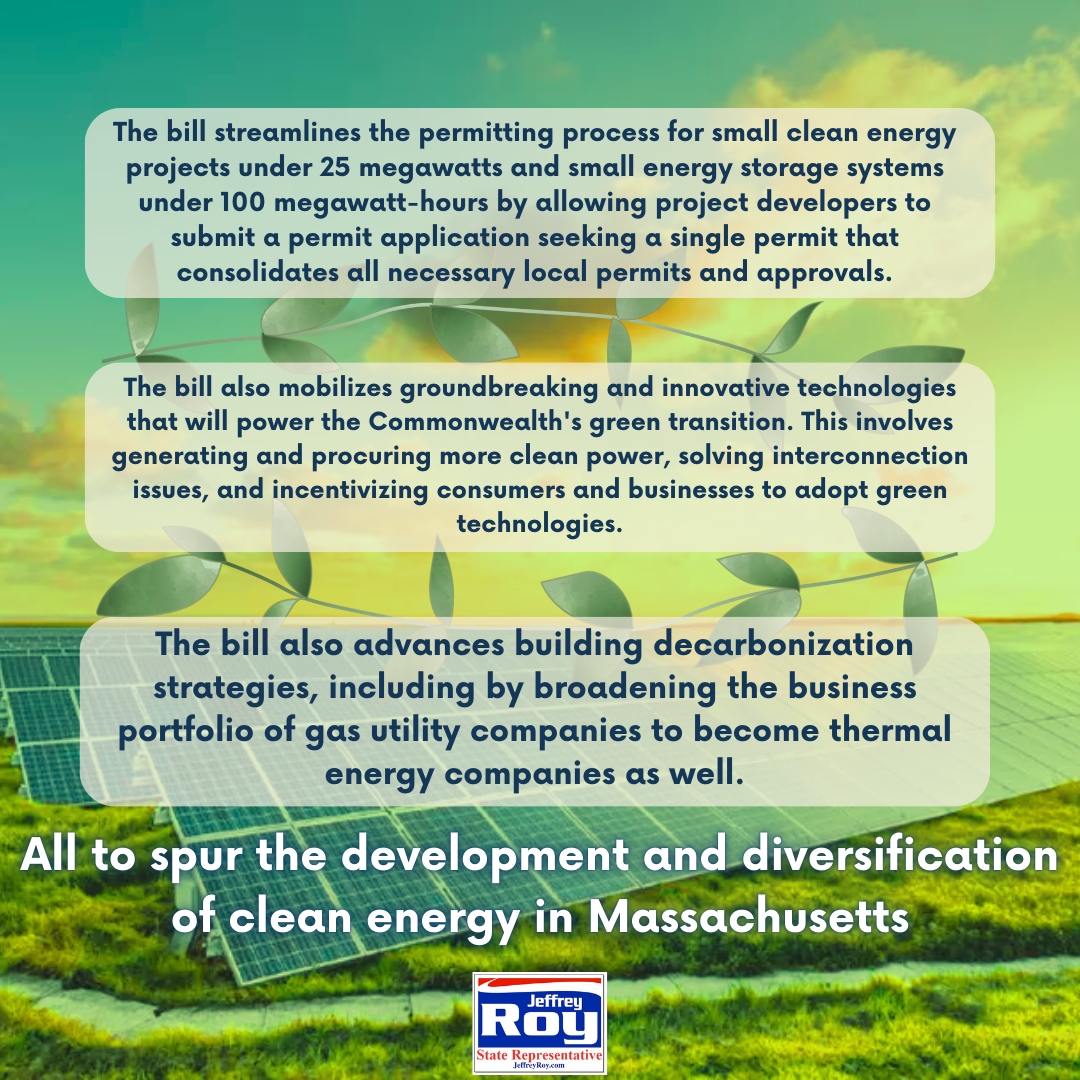

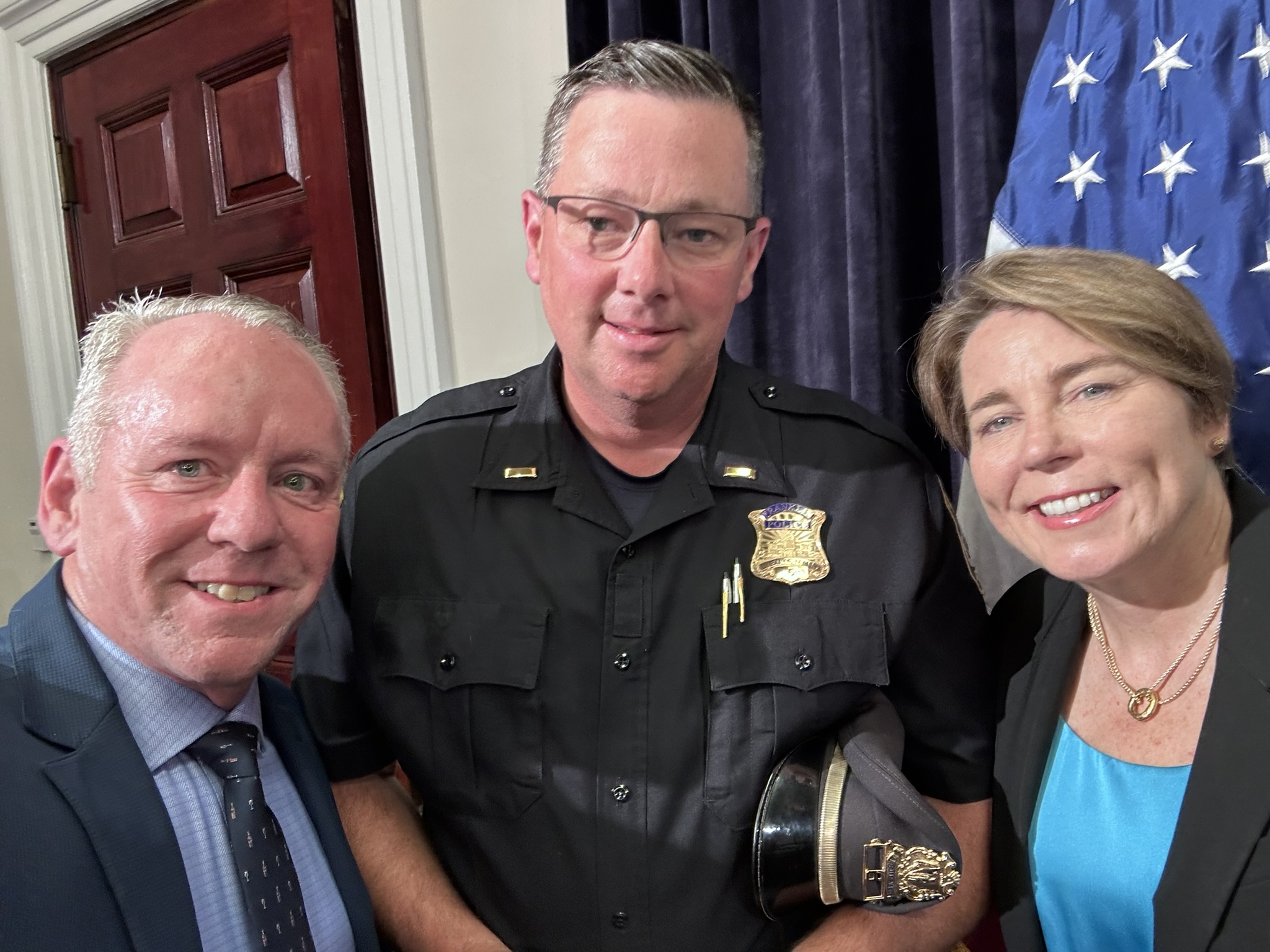
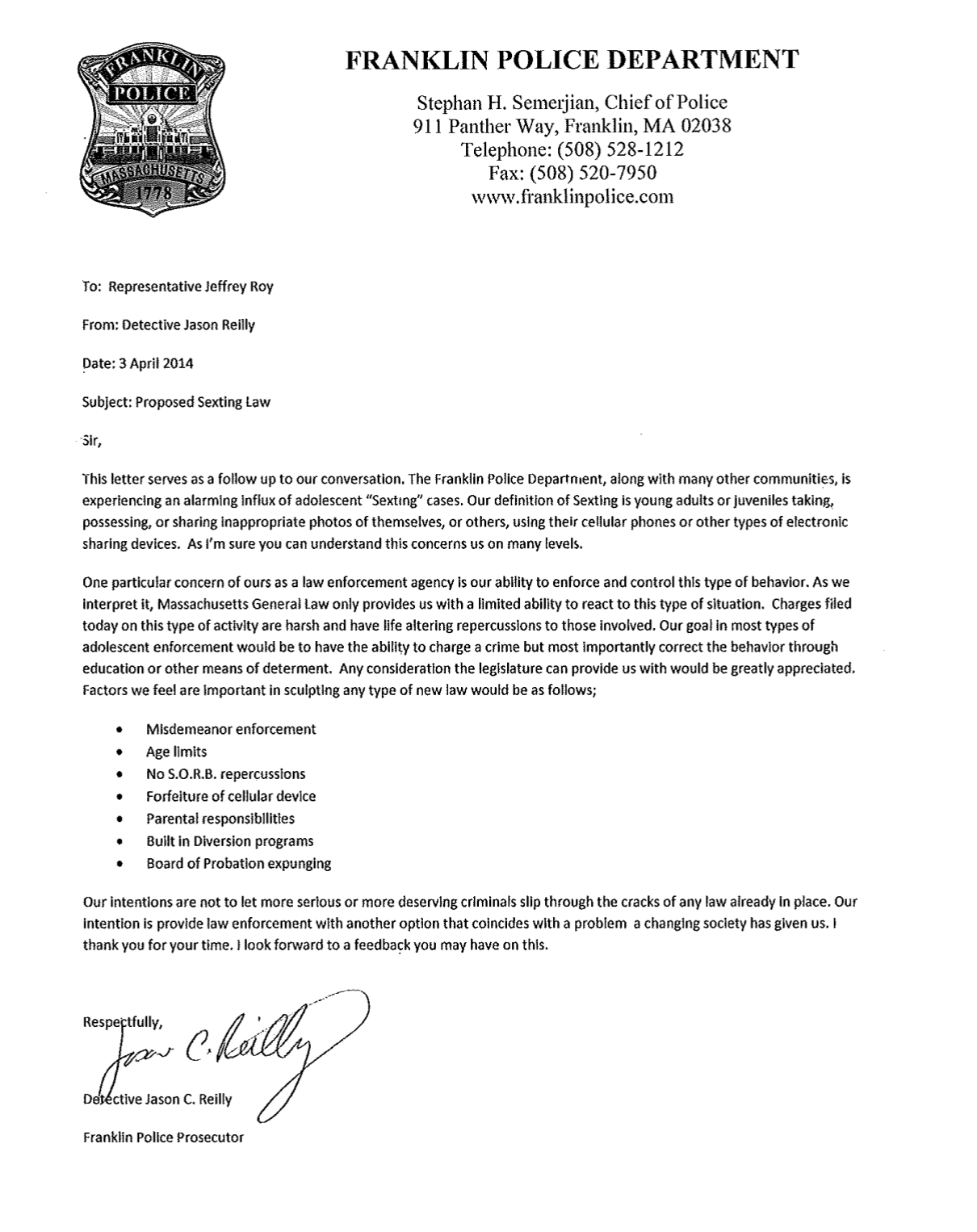
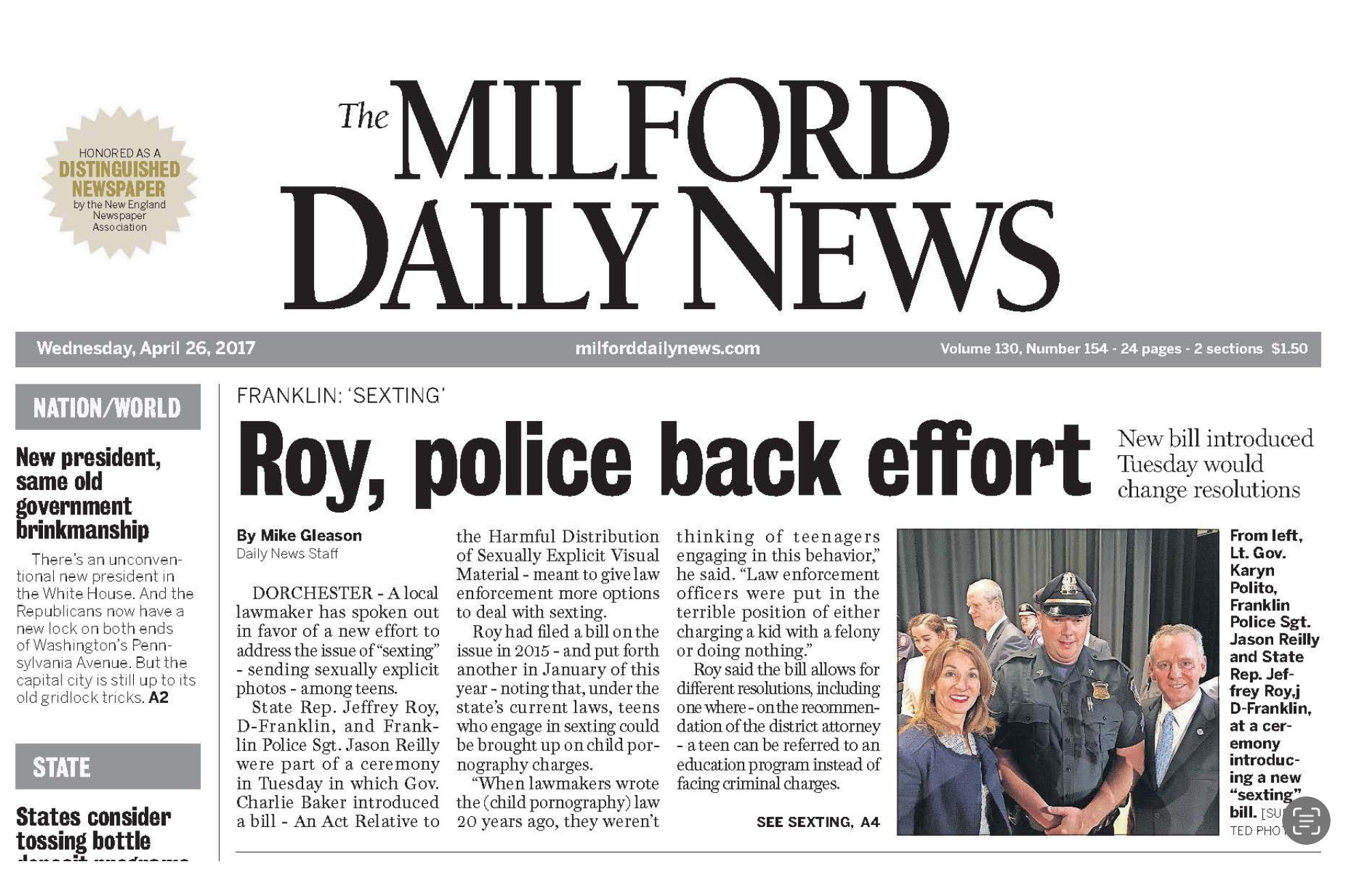
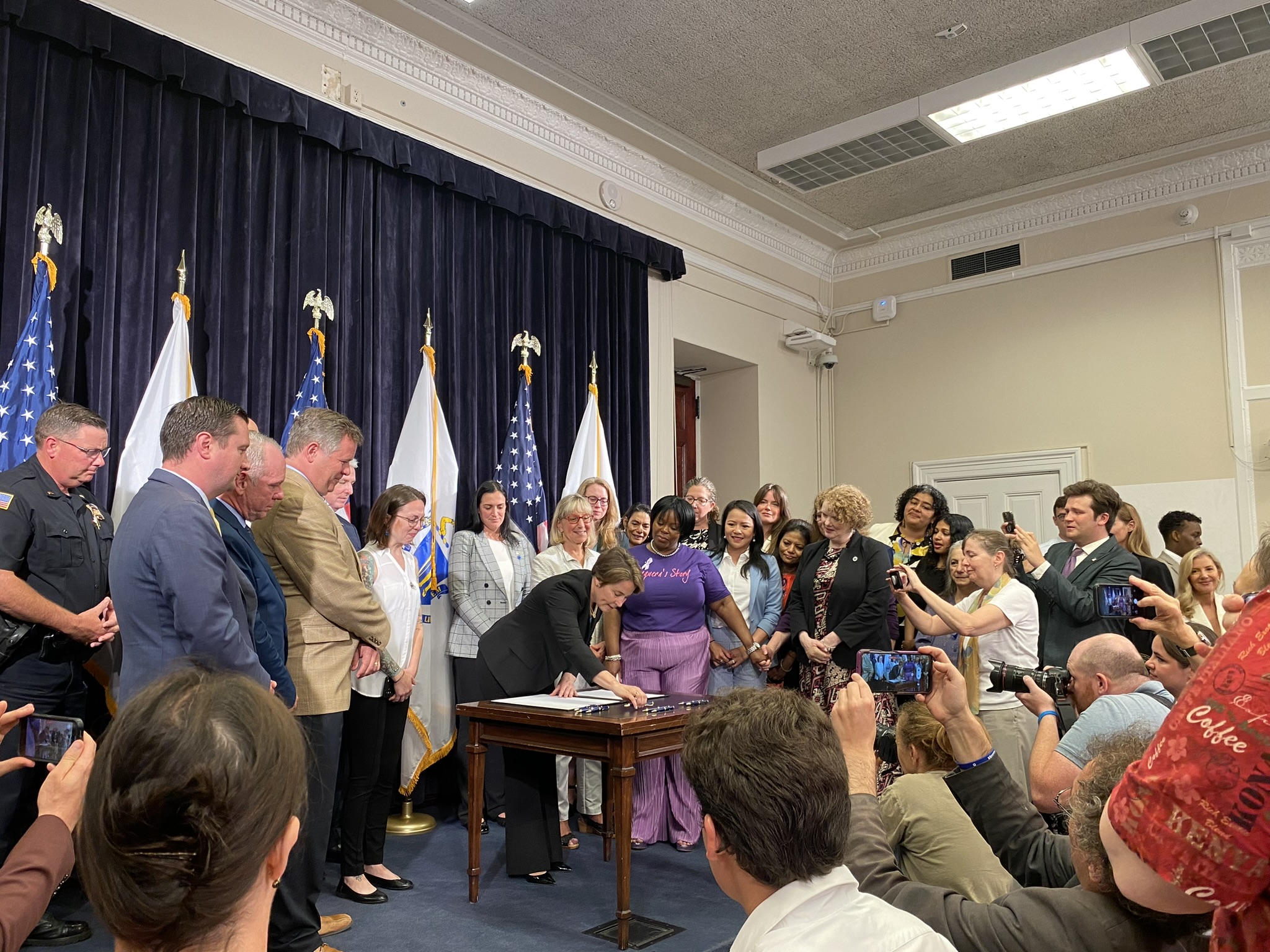



 jeffreyroy.com